Feb 9, 2026
.
Milwaukee: A National Blueprint for Local Collaboration
Milwaukee: A National Blueprint for Local Collaboration
The City and County of Milwaukee hosted the eighth stop on the Leading


Milwaukee, WI –August 2025
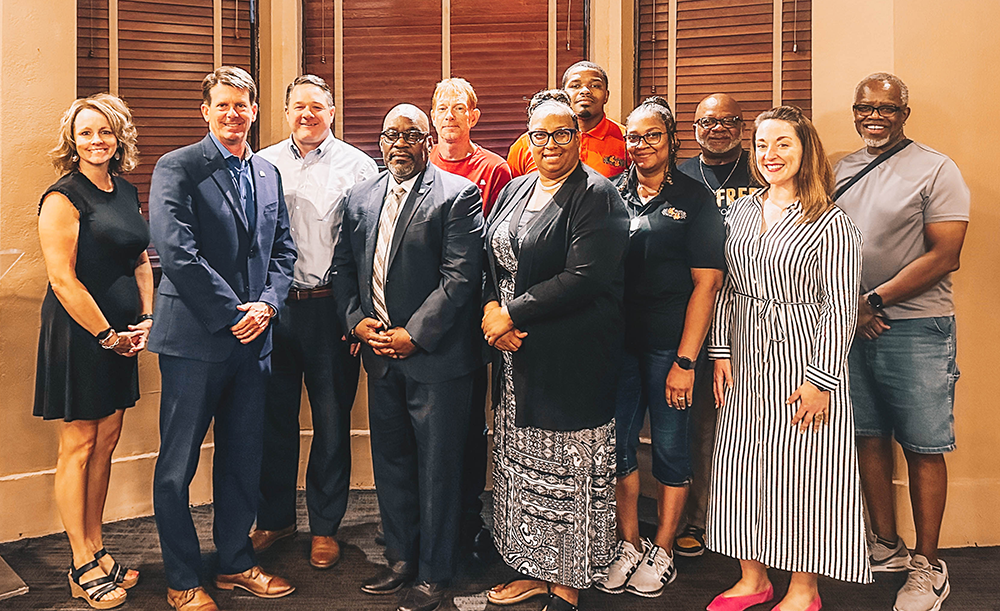
The City and County of Milwaukee hosted the eighth stop on the Leading the Way Tour, partnering closely with 414Life to shine a light on the progress, challenges, and renewed aspirations of a jurisdiction deeply invested in public health approaches to safety. Now eight years after the launch of Milwaukee’s landmark Blueprint for Peace, the tour stop served as both a moment of reflection and a decisive look forward. It created space for partners to examine how far the city and county have come, what lessons have emerged, and what opportunities now exist to strengthen their approach.
Throughout the visit, honest and sometimes tough conversations unfolded among city leaders, county agencies, community organizations, system partners, and young leaders impacted by violence. These discussions surfaced not only the successes rooted in the Blueprint but also the shifting landscape of needs, offering clarity on where collective energy must now be directed. Milwaukee’s partners demonstrated an understanding that sustaining and expanding progress requires stronger alignment, deeper investment in solutions, and a renewed commitment to the public health framework that first inspired their work.
A central theme of the tour was the importance of building upon the foundational elements of the Blueprint for Peace while evolving its strategies to meet the present moment. Milwaukee’s commitment to prevention, healing, and community resilience remains strong, but stakeholders acknowledged the need to adapt, coordinate more effectively, and create pathways for broader ownership across sectors (with the clear need to engage young leaders in more intentional ways).
This renewed vision is being powered in part by the convening strength of VRPHAST (Violence Response Public Health And Safety Team), which is a key mechanism for unifying city and county efforts. VRPHAST’s role in bringing partners together (public health leaders, violence interrupters, policymakers, service providers, and youth voices) positions Milwaukee to build a more integrated and responsive safety ecosystem. The tour highlighted how VRPHAST’s collaborative structure can serve as a bridge between longstanding strategies and new innovations, ensuring that Milwaukee’s approach remains both grounded and forward-looking.
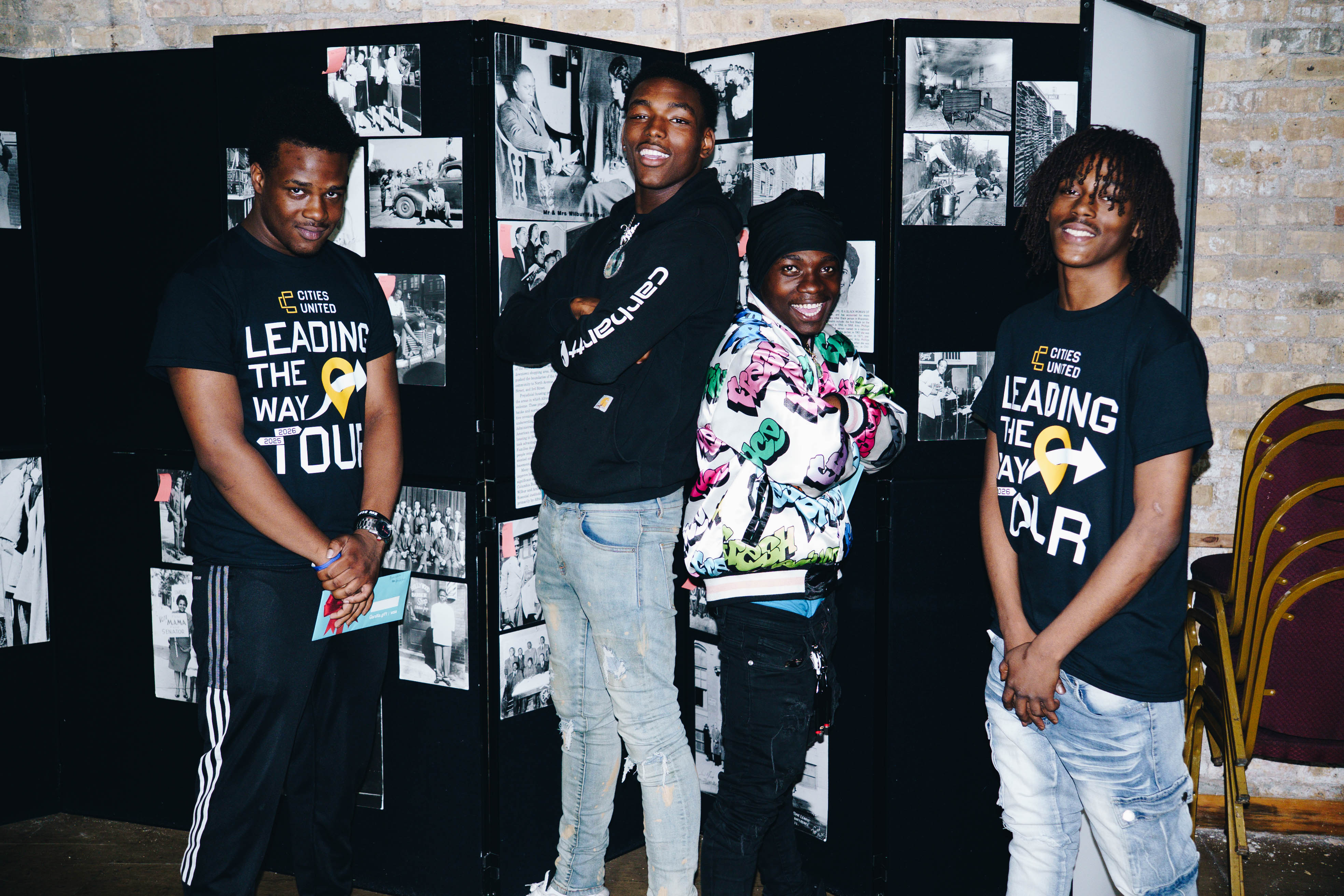
Moment that Matters: At the community dinner, a young participant shared that too many of his peers had lost hope without real opportunities. He urged leaders to do more than listen: “If you invest in us now, we’ll change the whole story of this city.” His words captured both the urgency and the optimism of youth leadership as a driver of Milwaukee’s next phase.
By the close of the tour stop, Milwaukee had firmly set the stage for movement toward a revived and shared strategy, one that honors the groundwork laid by the Blueprint for Peace while embracing the evolving nature of this work. With renewed momentum, strengthened relationships, and a commitment to collective action (along with aligned data sharing), Milwaukee stands ready to usher in the next chapter of its approach to safety and healing.

Cities United relies on a network of advocates, community leaders, and young voices. Be a part of the change.