Feb 9, 2026
.
Pittsburgh & Allegheny County Aligning To Safe Lives
Pittsburgh & Allegheny County Aligning To Safe Lives
Local government holds a unique and powerful role in shaping safety



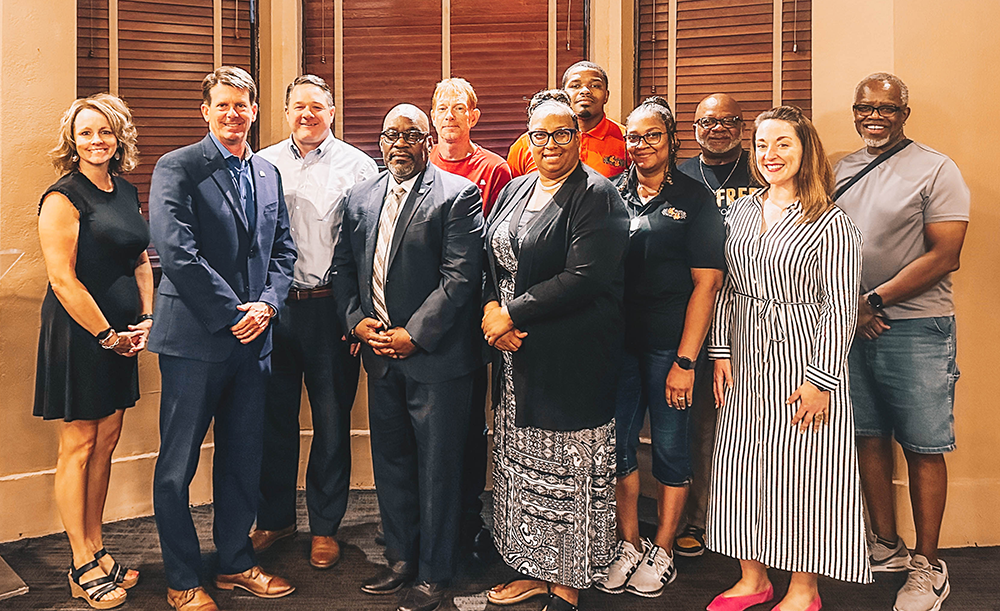
Local government holds a unique and powerful role in shaping safety, not only through policy and investment, but through its ability to convene the full ecosystem of partners responsible for prevention, intervention, healing, and accountability. When city and county governments work together, that leadership potential expands exponentially. Silos that once isolated efforts can be dismantled, resources can be shared more strategically, and communities can experience more coordinated and consistent support. In this spirit, Allegheny County and the City of Pittsburgh have begun charting a promising path toward deeper intergovernmental collaboration, aiming to build safe, healthy, and hopeful communities across their shared landscape.
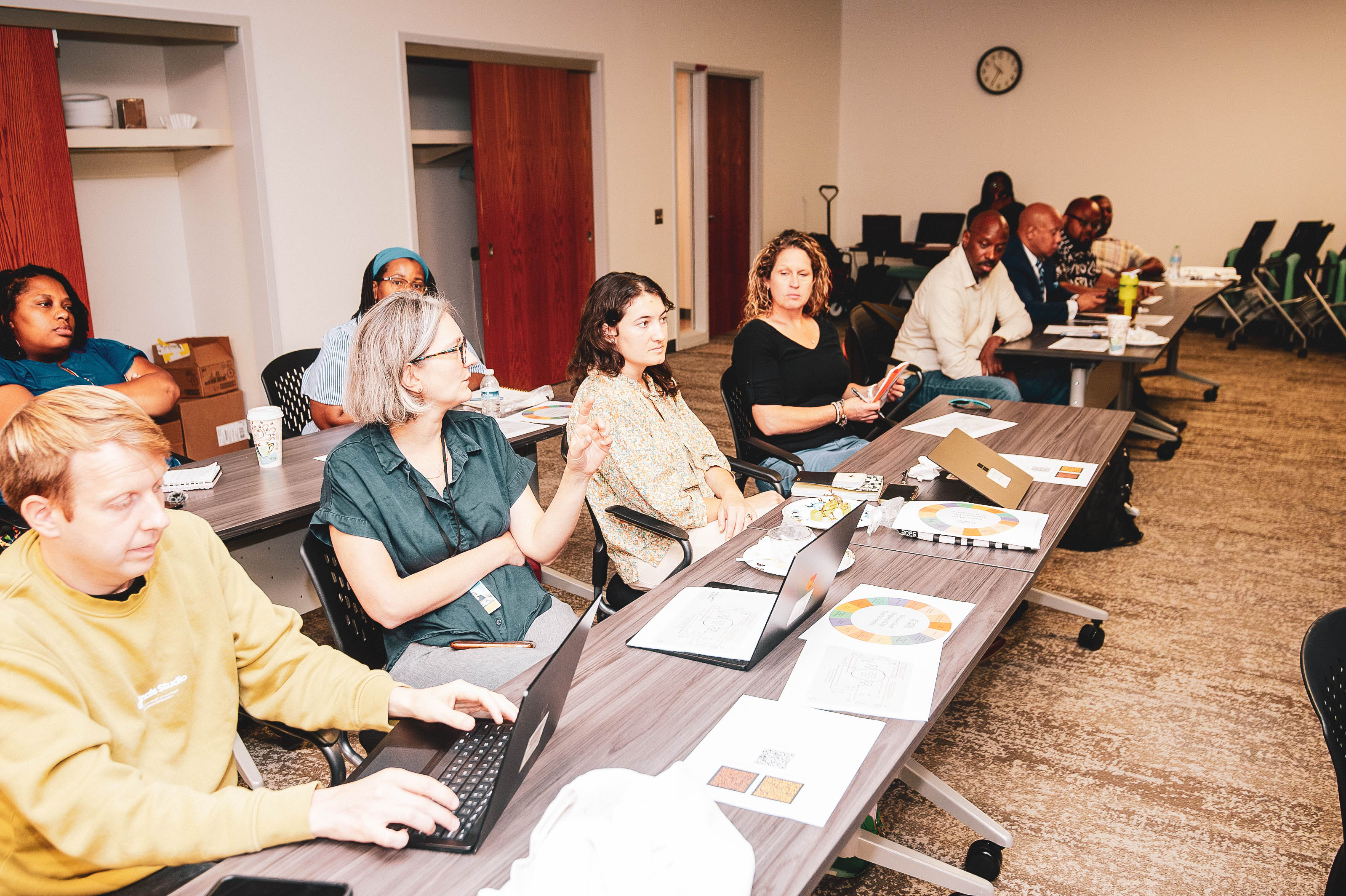
During their Leading the Way Tour stop, they demonstrated a clear desire to work across government entities and alongside community partners to advance cross-jurisdictional alignment. Though their journeys differ and they have individual goals (reflecting distinct political climates, leadership transitions, and operational realities) each displayed a recognition that comprehensive public safety requires unity, transparency, and shared purpose. Importantly, both governments showed an appetite for centering community wisdom, strengthening data-informed decision-making, and investing in strategies that address the root causes of violence rather than its symptoms.
Allegheny County has made a landmark investment in its local safety ecosystem: $50 million over three years, paired with expanded staffing, enhanced data infrastructure, and intentional coordination across departments. This commitment signals not only financial support but also a philosophical shift—a recognition that sustainable violence reduction requires long-term, community-centered investment in prevention and intervention efforts. The county’s willingness to build internal capacity, strengthen accountability, and elevate data transparency demonstrates a model for how local governments can embed dignity and equity into safety planning.
At the same time, the City of Pittsburgh is laying the groundwork for more integrated and people-centered approaches of its own. City leaders expressed a desire to align more closely with county strategies, modernize internal processes, and ensure that community-based organizations have clear pathways to partnership. The city’s renewed focus on funding community based solutions (along with ensuring the infrastructure for these investments lives beyond political administrations) led to significant reductions in violence (and aligned well with the county investments).
Together, Allegheny County and Pittsburgh are building the early stages of a shared framework where data and dignity coexist: data guides decisions, but dignity guides behavior, engagement, and policy design. This commitment positions the region to move beyond fragmented responses toward a unified, comprehensive public safety plan that reflects the needs and strengths of the people it serves (while also sustaining and furthering reductions in homicides and shootings).
The Leading the Way Tour elevated community voices, the power of young leaders and the impact that can be made when momentum from both city and county partners is moving in the same direction.
“We don’t want this to just be a good couple of years—we want this to last.” — Ecosystem partner, Core Leadership Meeting transcript

Cities United relies on a network of advocates, community leaders, and young voices. Be a part of the change.